Earlier this month, MITAGS Director of Business Development, Captain Jonathan Kjaerulff presented at NAVTECH 2021.
His presentation, titled “Training the Future Mariner,” along with other presentations from the event, can be downloaded by clicking here.
Captain Kjaerulff’s presentation focused on navigating the transition with emerging technology in the maritime industry, as we are in the middle of a once in a generation change in how people and ships work together.
Starting with the history of the steamboat through to the creation of autonomous ships and the developing role of artificial intelligence in the maritime industry, Captain Kjaerulff covers various topics including, will AI help mariners to operate more safely or will it replace them?
He also discusses defining the new skills needed during this transitional period and beyond, and our obligation as mentors and instructors to train the future mariner to the same high standards we expect of ourselves and our shipmates, while at the same time encouraging them to learn and master new ways of sailing the seas.
Photo courtesy of Navtech and Nicolas Alvarado, 2021
Related Posts
MITAGS Simulation/Coastal Engineer Colleen Schaffer Speaks at IPF 2022
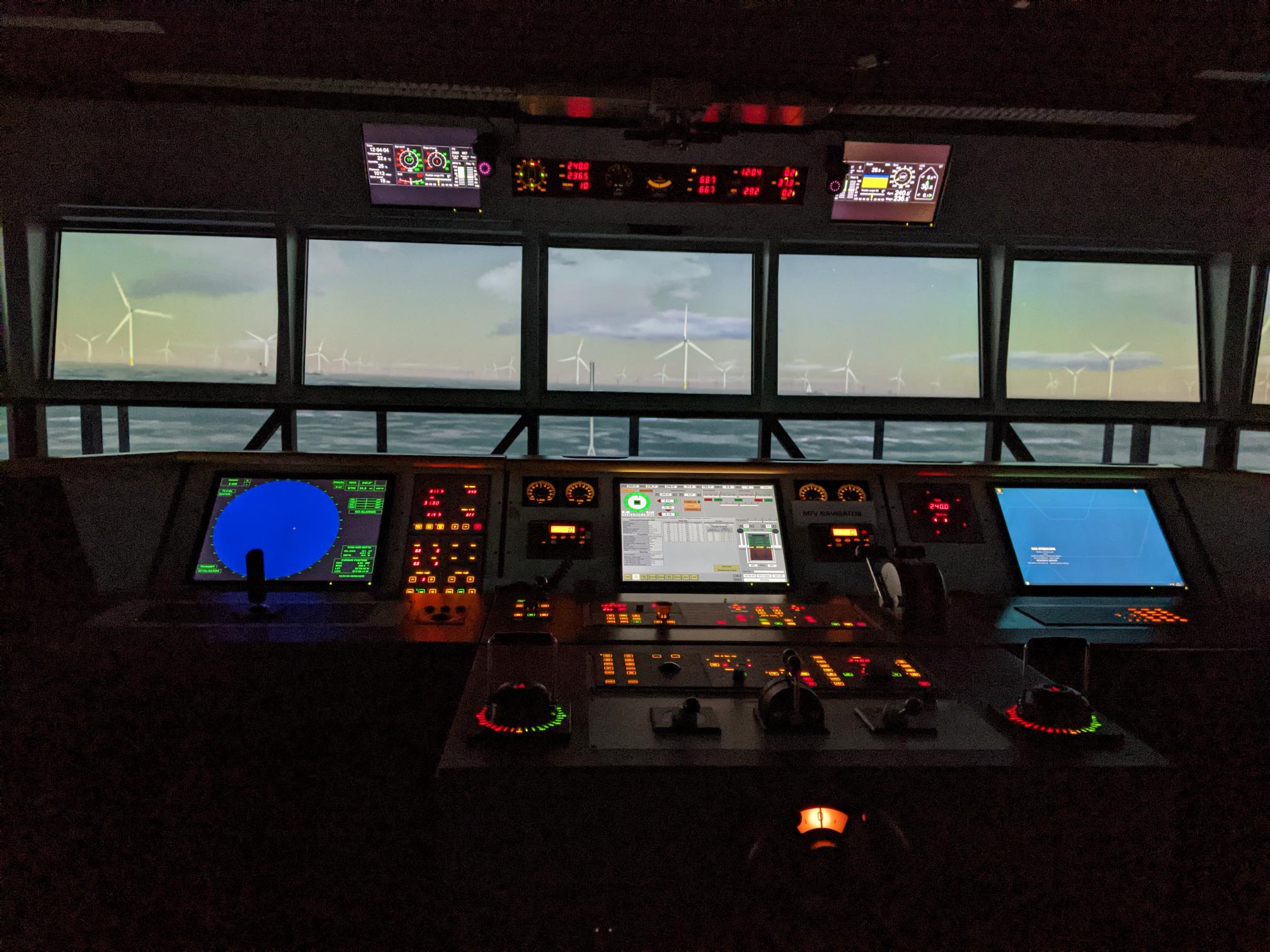
Colleen Schaffer, P.E., Department Chair of Simulation Engineering at MITAGS, spoke at the International Offshore Wind Partnering Forum, which was held this year in Atlantic City, NJ, on April 26-28. Colleen spoke as a representative of MITAGS during the conference’s Workforce Summit on April 26. The focus of the presentation was to describe how MITAGS […]
New Course at MITAGS-West “ELECTRONIC CHART SYSTEMS”
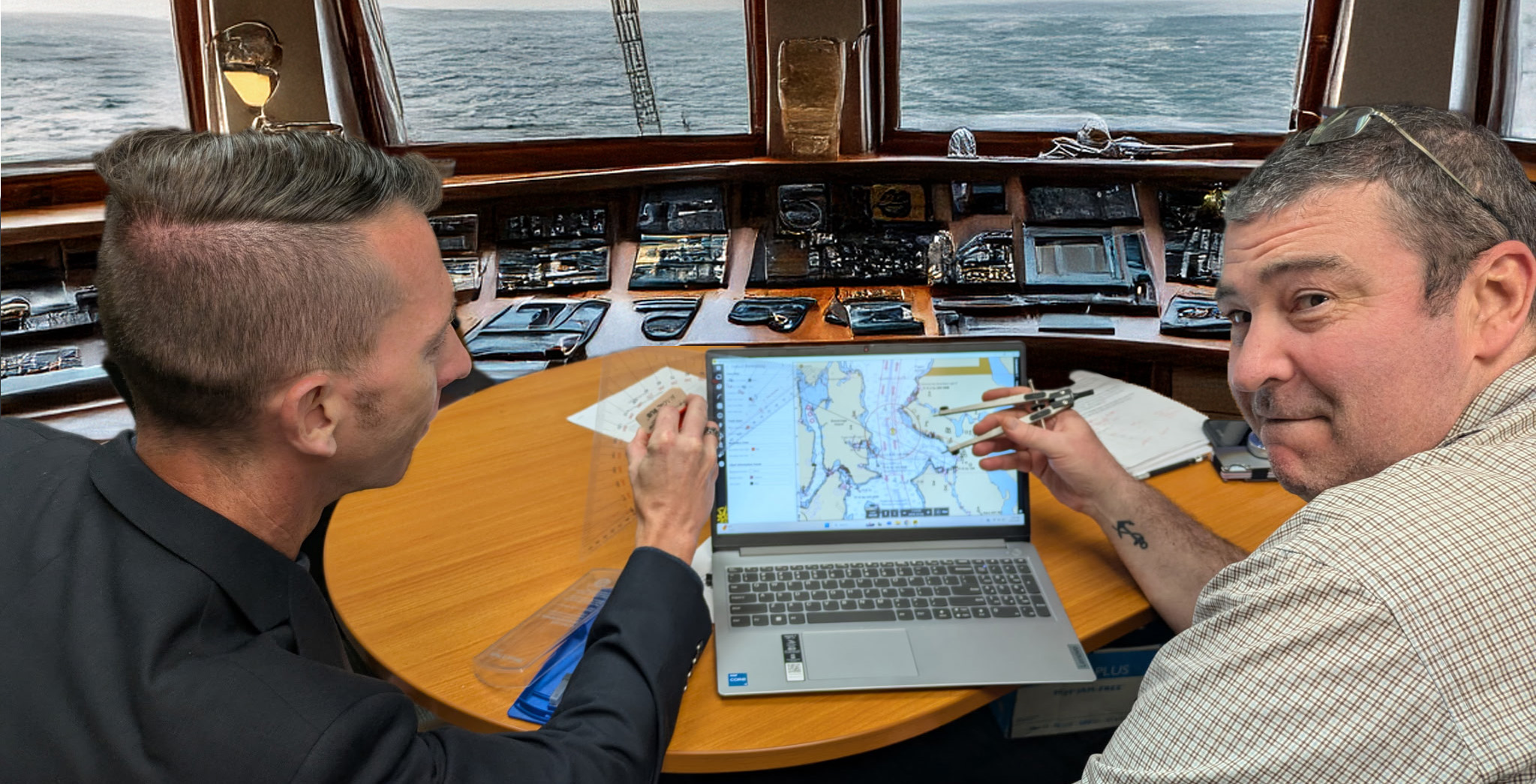
A course to help mariners get full value from their ECS Electronic Chart Systems can improve navigational safety, enhance situational awareness, and offer better operational efficiency. But many mariners don’t know how to take advantage of all the tools that come with the software. This 8-hour course covers the basics of ECS navigation, as well as […]
Overview of Port Development
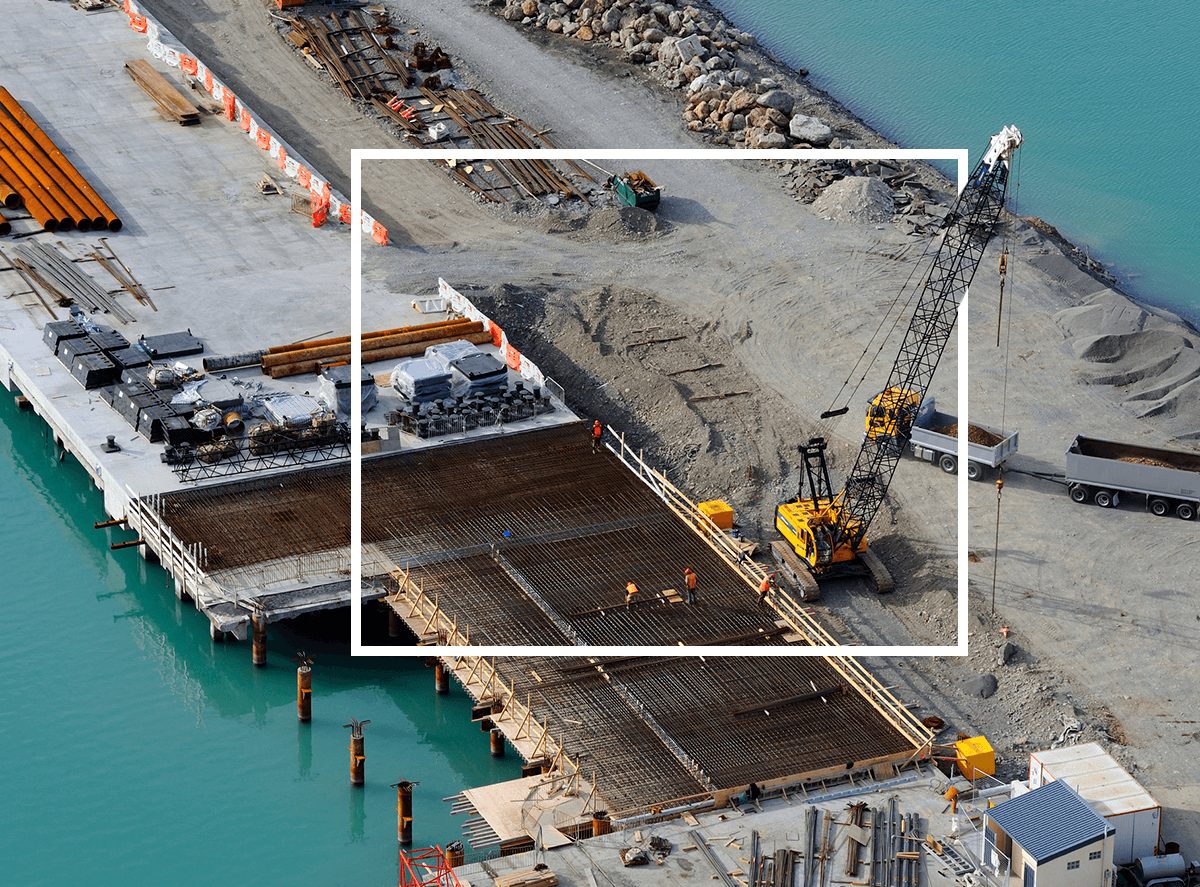
Overview of Port Development Ports serve as critical nodes in the global supply chain, facilitating international trade and economic growth. These complex infrastructures act as gateways for cargo movement, connecting maritime and land-based transportation networks. As global trade volumes expand, the development and modernization of ports become increasingly vital to maintaining efficient logistics operations, reducing […]